
How a high-conflict marriage affects children — even when nobody shouts
By Bert Deysel · 5 September 2026
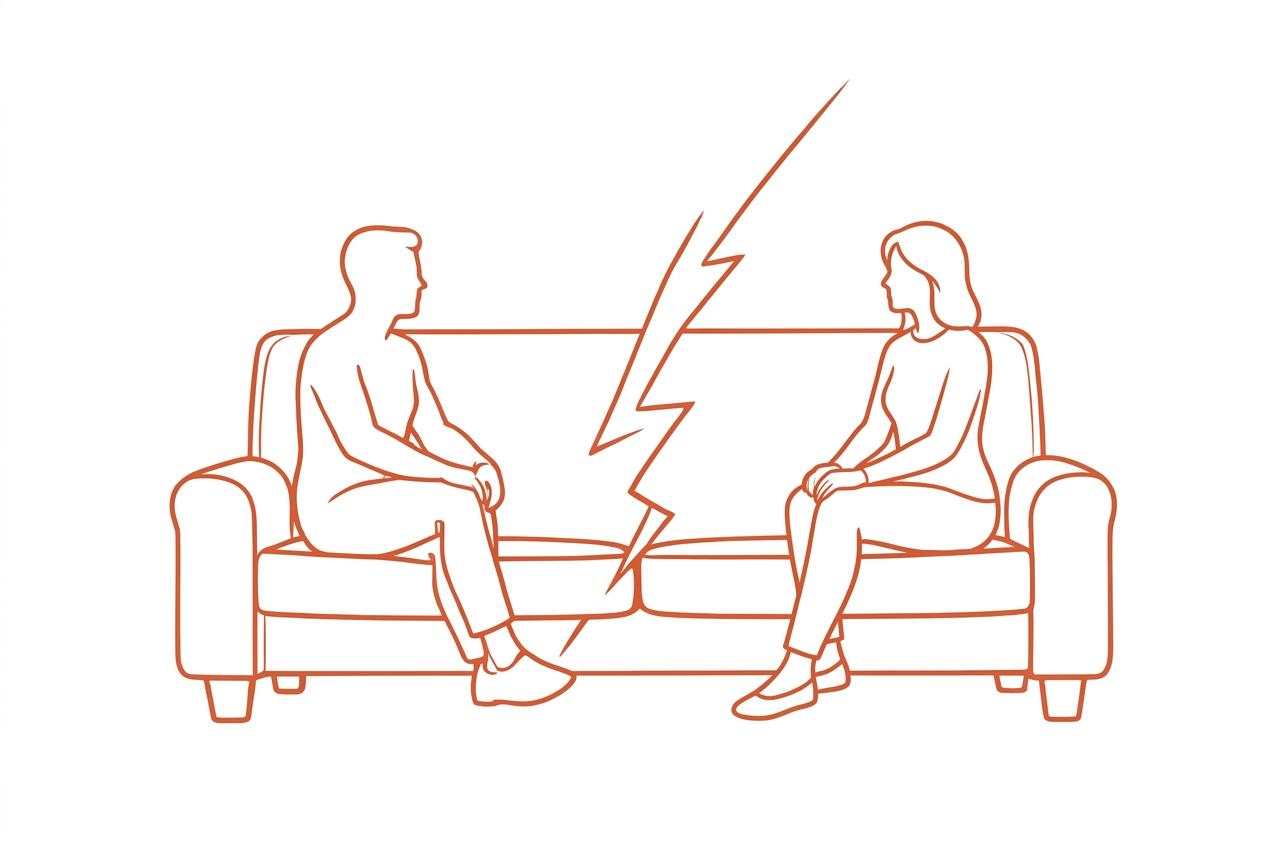
We used to think we were protecting them because we did not shout in front of them.
We were not. We were doing the other version. The clipped voices, the door closed a bit too firmly, two days of politeness with nothing underneath it. And my son, who was seven, got very good at reading a room and very quiet about what he found in it.
Children are not damaged by parents disagreeing. There is decent evidence that watching adults disagree and then sort it out is good for them. What harms them is conflict they cannot make sense of and cannot do anything about.
What actually reaches them
- Hostility and contempt, at any volume. Sarcasm counts. The look counts.
- Conflict with no visible ending. If they hear the argument they need to see the repair, or their brain files it as unresolved and keeps it running.
- Silence. A house that goes cold for three days is more frightening to a child than a row, because there is nothing to interpret.
- Being made a participant. Messages passed through them. Being asked whose side is right. Being told things about the other parent they cannot do anything with.
- A parent who disappears emotionally while the marriage takes all their attention. Children read distraction as it being about them.
What it looks like from the outside
Not misery. Usually the opposite. Very well-behaved. The child who never causes trouble, who asks if you are all right, who notices your mood before you do. Stomach aches with no cause. Trouble sleeping. Big feelings about small things, because the big thing is not sayable.
I am not saying that describes your child. I am saying it is worth looking, because a "good" child is the easiest one to miss.
Four things you can change this week, married or not
1. Move the conflict. Not upstairs — out. Different time, different room, phones and messages instead of the kitchen at six.
2. Repair where they can see it. If they heard it, let them see the end of it. "We were cross earlier. We sorted it. It was not about you." That single sentence does more than a month of pretending.
3. Take them out of the middle. No messages carried. No side-taking. No adult information that they cannot act on.
4. Protect fifteen minutes. One-on-one, no phone, no agenda, same time each day. Steadiness in one small place is what a child actually holds on to.
None of that requires the marriage to be fixed. It requires the conflict to stop being the weather they live in.
And be honest about the direction
Do those four for a month and watch. If the temperature drops and stays down, that matters. If it does not, you have learned something about whether staying is protecting them or exposing them — which is the harder question in staying together for the kids.
If they are frightened
If there is violence in the house, or your children are afraid of a parent, this is not a marriage problem to manage. Read the safety page and get help from somebody local.
Where to go from here
The quick check-in will name the part driving most of it. The Stay or Go programme tracks it over eight weeks. And coaching is there if you want to think it through out loud with somebody.
Where do you actually stand?
Two minutes for the quick check-in, or twenty-five for the full baseline that scores all eight dimensions.